Part E. Case Studies
Improving resilience of road and rail freight networks after Australia’s bushfires
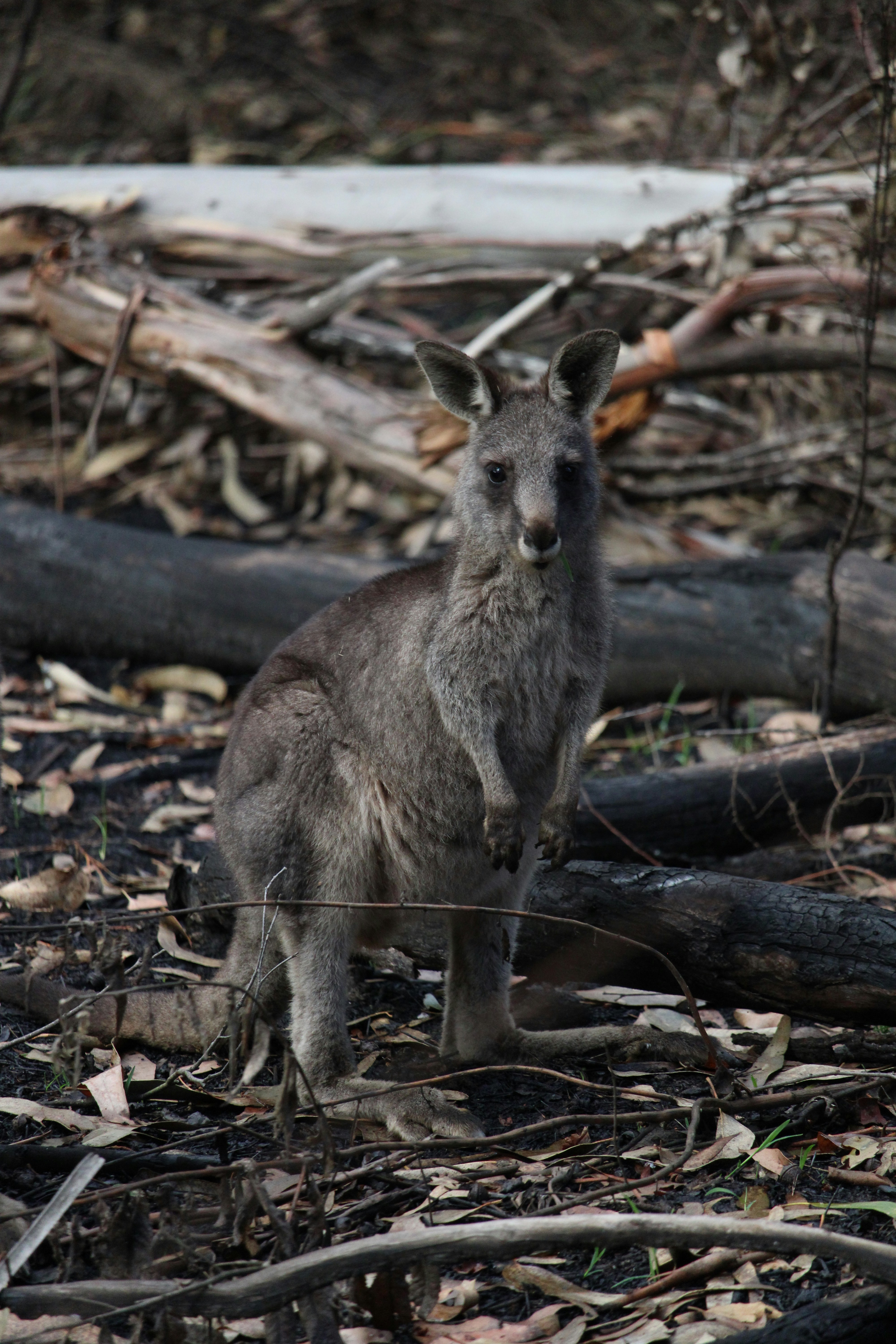
References: 74 75 76, Photo credits: Unsplash / Scott Fletcher
Background
The 2019–2020 “Black Summer” bushfires in Australia burned an estimated 24–33 million hectares, destroyed over 3,000 homes and hundreds of businesses, caused around A$4–5 billion in insured losses, and resulted in the deaths of 33 people, with many more affected by smoke-related health impacts. The fires disrupted critical supply chains including agriculture and food distribution, mining and resources exports, forestry, and regional freight transport, highlighting vulnerabilities across road, rail and port networks.
What was done & value creation
A national review recommended strengthening the long-term resilience of freight supply chains through measures such as building redundancy into key corridors, hardening vulnerable assets, and embedding risk-based planning through vulnerability mapping. Key implementation steps since 2020 include:
- “Betterment” in recovery funding: Disaster Recovery Funding Arrangements (DRFA) now permit rebuilding damaged infrastructure (e.g. roads, bridges) to higher, hazard-resistant standards.
- Dedicated resilience finance – establishment of the Disaster Ready Fund, allocating A$1 billion over five years to support pre-disaster risk-reduction upgrades, including transport and logistics networks.
- National coordination and data – reforms lead by the National Emergency Management Agency (NEMA), such as supply chain risk reviews, improved hazard data, and critical-infrastructure resilience planning to support long-term freight continuity.
Looking forward
The challenge will be to ensure these reforms are trans- lated into systematic upgrades across critical freight corridors, so that Australia’s supply chains are not only capable of recovering from disasters but are progressively adapted to withstand the growing risks of future bushfires and climate-related hazards.